
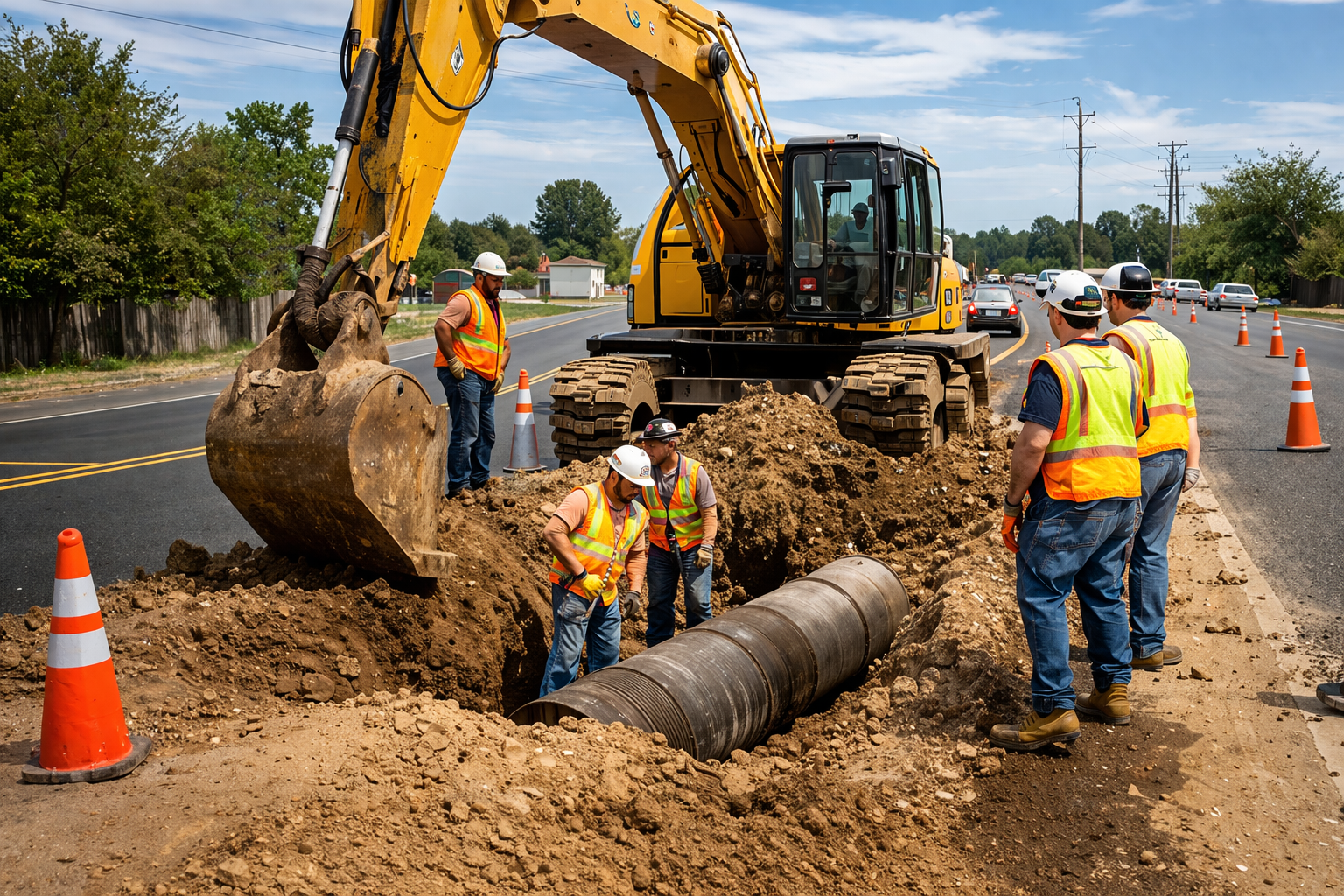
Seasonal fluctuations are a constant reality in the utility construction industry. Weather patterns, municipal budget cycles, and project timelines often create periods of intense activity followed by slower intervals. For contractors and HR leaders, the ability to effectively prepare for and manage these seasonal shifts can directly impact productivity, safety, and employee retention.
Understanding Seasonal Workforce Needs
In many regions, spring and summer bring peak construction activity. Warmer weather, longer daylight hours, and increased project availability lead to higher demand for skilled labor. Conversely, colder months or periods of heavy rainfall can slow operations, creating workforce gaps or underutilization.
HR teams must work closely with operations leaders to forecast labor needs well in advance. Reviewing historical project data, upcoming bids, and client schedules can help identify when additional hiring or workforce reductions may occur. Proactive planning reduces last-minute hiring pressures and helps maintain workforce stability.
Strategic Hiring and Onboarding
Seasonal hiring is often necessary, but it comes with risks if not managed properly. Bringing in temporary or short-term workers can strain onboarding processes and increase safety exposure if training is rushed.
To address this, contractors should establish a streamlined but thorough onboarding program specifically designed for seasonal hires. This includes:
Clear safety orientation tailored to field conditions
Job-specific training for equipment and tasks
Reinforcement of company policies and expectations
Maintaining a pipeline of pre-qualified candidates can also reduce hiring timelines. Partnering with trade schools, workforce development programs, and local unions can provide access to workers who are already familiar with industry standards.
Retention During Peak and Slow Periods
One of the biggest challenges in seasonal industries is retaining skilled workers year-round. Employees who experience inconsistent work may seek more stable opportunities elsewhere, leading to turnover just when demand increases again.
To mitigate this, employers can explore strategies such as:
Offering cross-training to keep employees engaged during slower periods
Providing guaranteed minimum hours where feasible
Communicating transparently about upcoming workload changes
Even when work slows, maintaining regular communication with employees helps build trust and reduces uncertainty.
Managing Overtime and Fatigue
During peak season, crews often work extended hours to meet project deadlines. While overtime may be necessary, it introduces risks related to fatigue, safety incidents, and burnout.
HR and field leadership should monitor work hours closely and ensure compliance with labor regulations. More importantly, they should promote a culture where safety is not compromised for speed. Encouraging breaks, rotating crews, and reinforcing fatigue awareness can help prevent accidents.
Supervisors play a critical role in identifying signs of fatigue and addressing them before they lead to incidents. Investing in leadership training for foremen and crew leaders can strengthen this capability.
Compliance and Workforce Classification
Seasonal workforce adjustments also raise compliance considerations. Misclassification of workers, improper use of independent contractors, or inconsistent application of benefits can create legal and financial risks.
HR teams should regularly review employment classifications and ensure that seasonal workers are handled in accordance with federal and state regulations. This includes proper documentation, wage and hour compliance, and adherence to safety standards.
Consistency in policies across both full-time and seasonal employees is essential to avoid claims of unfair treatment or discrimination.
Building a Resilient Workforce Strategy
Ultimately, managing seasonal workforce demands is not just about reacting to changes—it is about building a resilient strategy that supports both operational needs and employee well-being.
Organizations that succeed in this area tend to:
Plan workforce needs well in advance
Invest in training and onboarding processes
Prioritize safety regardless of schedule pressures
Maintain strong communication with employees year-round
By taking a proactive and structured approach, utility contractors can navigate seasonal challenges more effectively while maintaining a skilled, engaged, and safe workforce.
Conclusion
Seasonal demand is unavoidable in the utility construction industry, but its impact can be managed with the right HR strategies. Thoughtful planning, consistent communication, and a focus on safety and compliance allow organizations to meet peak demands without sacrificing long-term workforce stability.